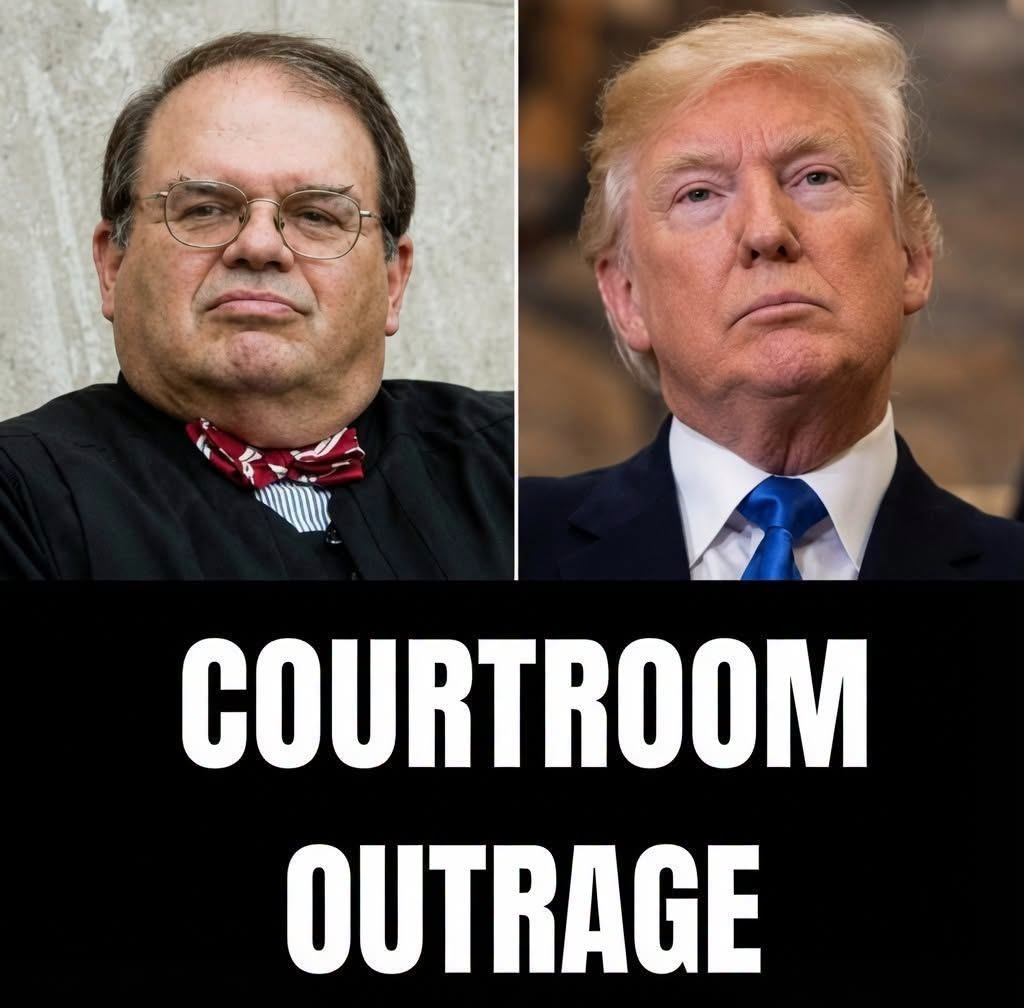
“animus,” it questioned not only the rule itself, but the motives of those who crafted it. To many in the military and in politics, that felt like a direct challenge to executive power and professional judgment in matters of war, readiness, and discipline.
For others, the decision reaffirmed a different principle: that no uniform, no chain of command, and no claim of “readiness” can exist beyond the reach of constitutional limits. They see courts as the last line of defense when identity, not performance, becomes the gatekeeper to service. As appeals loom and policies shift with each administration, the deeper conflict endures: how to reconcile military necessity with equal dignity, and whether the final word should belong to elected leaders—or to judges sworn to say what the law is.